
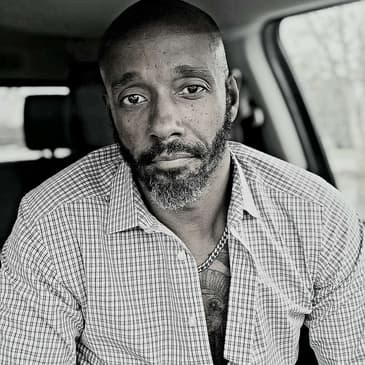
Ever wondered how the struggles of weight gain and mental health can lead to a journey of self-discovery and profound transformation? Join us as we sit down with Mark Paisant, a certified personal trainer and host of the Relatively Normal and 6AM Run podcasts. Mark takes us through his inspiring path from collegiate soccer player to battling significant weight gain and chronic pain, ultimately shedding over 75 pounds through running. But Mark's story goes beyond physical fitness; he delves into the importance of balancing it with mental well-being, utilizing self-awareness and intentionality to achieve continuous improvement in both areas.
In this episode, Mark reveals his unique approach to coaching young athletes, integrating technical training with strength and agility exercises, while placing a strong emphasis on mental health support. He reflects on how he turned his own methods of using exercise to manage stress into a productive force for his clients. Furthermore, Mark shares his late diagnosis of ADD in adulthood, the challenges he faced, and the life-changing clarity brought by medication. His insights into the cultural attitudes toward mental health and the necessity of seeking therapy add another layer to the conversation.
Mark also discusses his podcast, Relatively Normal, created to provide a safe space for mental health discussions, especially focusing on the experiences of black males. Through interviews with therapists, doctors, and other experts, Mark aims to help listeners feel less alone and more understood. Additionally, he offers a glimpse into the evolution of the 6AM Run podcast, transforming it into a broader lifestyle show with diverse guests. This episode is a compelling blend of personal responsibility, mental health advocacy, and the transformative power of fitness and mindfulness.
You can reach Marc Paisant via his platforms:
Website: https://paisantfitness.issacertifiedtrainer.com/
Facebook: https://www.facebook.com/RelativelyNormalPodcast
LinkedIn: https://www.linkedin.com/in/marcpaisant/
Instagram: https://www.instagram.com/paisant_fitness
[00:00:00] Ellington Brown: Welcome to SpeakUP! International with Rita Burke and Elton Brown!
[00:00:16] Rita Burke: On SpeakUP! International, we have conversations with people across the globe. Today, our guest is speaking with us from Atlanta, Georgia, Marc Paisant is a certified personal trainer and the creator slash host of the Relatively Normal Podcast.
He's also the host of the 6amrun. com podcast. On Mark's show, he shares his experience with ADHD, anxiety, and depression. He shows that no one is alone. Mark is an advocate for therapy and counseling, who uses physical fitness to assist with his mental health. As you know, on SpeakUP! International, we like for our guests to tell their own stories.
And so, I introduce to you our guest, Mark Peasant. Welcome, Mark!
[00:01:27] Marc Paisant: Thank you so much. I appreciate you having me on the show!
[00:01:30] Ellington Brown: It's a pleasure to have you with us today, Mark. I'd like for you to tell us a little bit about your, I guess, near the beginning, your challenges with weight, and what did you do to keep it at bay?
[00:01:50] Marc Paisant: Yeah, I think that's a great place to start. And just so everybody knows, I, you know, growing up, I played sports all the time. Um, my, my, I have a twin brother and we both played basketball and soccer and stayed outside. It, you know, we like the video games, of course, but we, if there were sun outside, if it wasn't raining, we were outside playing sports.
Um, we both played on multiple teams and, and, you know, you couldn't feed us enough. Like, we were burning the calories. So we were very, I, to this day, I don't know how my parents afforded food for our household. But, um, you know, from that, both of us got, you know, played, played collegiately, played soccer and again, when you're in that position of playing a collegiate sport, everything is kind of mapped out for you. Meals, practice time, nutrition, everything is mapped out. And if you just stick to the plan, you'll stay in shape. Uh, well, once, once soccer was over my senior year, um, I, I had never had to do this on my own.
I'd never had to like worry about nutrition and fitness on my for, you know, the next, you know, Eight years of my life, eight to 10 years of my life. I, um, I just forgot about that part. I forgot about physical fitness. I forgot about taking care of myself physically. And over a course of, I would say eight to nine years, I ended up gaining over a hundred pounds.
And in my head, I said, if they make the clothes in my size and I'm fine. So I'm six, five and you know, um, it's hard enough to find clothes that, that fit me at my height. But, um, for some reason there is a, there's a better market for guys who are my size and a little bigger. So they always had my size.
They always 36 turned to 38 ways, turned to 40 ways, turned to 40. And you can, you see where this is going. And from that. I developed chronic pain everywhere, like my knees, my ankles, my back, um, and I had trouble sleeping, but I just thought, Hey, this is, this is who I am and this is the person I'm going to be.
But as I started getting older and started getting closer to marriage and started getting closer to, you know, the things I wanted to be, I wanted to be a father. In my head, I thought, like, I want to be able to, like, play with my kids. I want to be able to, like, uh, make sure if they're playing a sport to get out there and have fun with them.
I don't want to be the dad that, you know, throws the ball once and is out of breath or can't play with his kids. So that was kind of the The piece that put me over the top where I was like, you know what, I, I have to start taking care of my physical health because it doesn't just affect me. It affects my future kids and my future family.
It affects my future medical bills. It affects that I was coaching at the time. So I'm a role model. It affects the kids that I'm coaching. Um, and so from there I started to, to run as my, as my main source of, of fitness. And, uh, within the course of about nine months, I dropped about 75 pounds. And, um, I, I thought, okay, all right.
Keep going, keep going, and this is the part where, where it was the hardest for me, because I kind of at that point, I had been working on my mental health and becoming a better version of myself, but I left that behind and I started to become addicted to the numbers on the scale. And for anybody listening that, that understands that, like my, you know, the, the 275 went to 265, went to 255 and kept going.
And I, I didn't think it was a successful week unless those numbers continued to go down, not really realizing that a weight and being physically fit don't always correlate with each other. And we look at things like BMI, which absolutely can send the wrong message to a lot of people. But at that time in my life, when I was in my thirties and getting close to my forties, I finally realized that, um, that you, that I was, I was starving myself.
I went from one extreme where I was eating too much to the next extreme where I was starving myself. And. I had to finally get to a point where I was okay with not having to, to change a number on a scale. I was okay with taking a day off and taking care of self mentally. And this is something that I still work on constantly.
I still work on daily because I don't want to go back to that place. So I'm intentional with my workouts and I'm, I'm purposeful with my workouts. And I, I make sure that I'm not too hard on myself. You know, if I, if I get on the scale, which I rarely ever get on a scale anymore, like it's how I feel versus a number, but if I do, and I see a number that I don't like, I'll first ask myself, like, why, why don't you like it?
How do you feel? How do you look? Things like that. Before I say you've, you've made bad choices,
[00:07:24] Rita Burke: Mark, that's amazing. That's an amazing, fascinating story. I could keep on listening to you. It seems like your metamorphosis or your change came about from a place of wisdom. And I like what I hear. I certainly like what I hear, now.
I need to go to the genesis of your career as a personal trainer. Talk to us about that, please.
[00:07:51] Marc Paisant: Yeah, that was that was basically me learning from a personal trainer. So after, after COVID, so after it's really, it's still weird having to like, that is a, a standpoint of everybody's timeline now, as we say before, after COVID, but that's, that's what it is. So right after COVID, I, you know, I, I wasn't feeling.
Um, really good about myself physically. And I said, you know, I've, I've used therapy for my mental health and why not use, use the same type of method for my physical health? Um, I don't know everything. Like I've played sports. I don't know everything about staying in shape. So I went and got a physical trainer, a personal trainer, myself.
Great guy, absolutely great guy, um, pushed me past the limits I had set for myself, which is, which is one of the main goals of a, of a personal trainer. And I started to feel really good really quickly. I, I kept with the program. We, we talked about nutrition and as I kept getting stronger and fitter and felt better about myself.
I have this mentality where it's like, well, I want to do the same thing for others. I want others to feel this. Um, and so immediately I started, you know, working on my certifications and becoming a nutritionist and a licensed certified personal trainer. And, um, that, I mean, it's, it's the simplest story ever.
It's like, I saw someone doing it, they did it for me and so I wanted to do it for others.
[00:09:22] Ellington Brown: Can you tell me about when you were running and you were actually exercising, how did you practice mindfulness while at the gym?
[00:09:36] Marc Paisant: So that's, that's such a good question because I, at first I didn't, I literally didn't, I went out and I ran and this is a huge paradigm shift. What I talk to people about now.
When I first started working out to get in shape and to the numbers go down, I ran and I worked out to forget about any problems, any stressors, anything I had going on in my life. Basically, if I had a tough day at the office, I would go for a run to forget about it or if I had something stressful, I'd go, go to the gym and try to forget about it for a couple hours.
And at the time I didn't see it, but looking back, I would come back from my run, come back from my gym and, and be, well, I still have to deal with this thing. Like this is still like, it didn't go away. I still have to deal with this thing in my life. Um, so there was a, there was a, um, um, minor yet really momentous shift in my thinking is where I started to use, um, fitness and running to lean in to my opportunities and issues and problems. So instead of me saying, Oh, I have, I had a tough call or I had a tough meeting I have a lot of things going on. Let me, let me get, get away from this and go for a run. Where I started doing as a little shift in my think. I said, let me go for a run to think about the things that are going on right now.
And what I found is one, I had a better workout, whether it was running or at the gym. Two, I came back with a clear head and more. Ways to solve this issue and the stress stopped being a stress. It started being, Oh, I have, I have really, really good ideas or I know who to reach out because they've been through this.
It started opening up a bunch of things for me. So rather than running to leave the stress or forget about it, I started to lean into it. Can use my running for that.
[00:11:46] Ellington Brown: So was the problems you were having, was that caused the weight gain?
[00:11:53] Marc Paisant: So, yes. So I, I, I don't shy away from it. I was, food was my crutch, food was my crutch, sugary drinks, sugary, it was my crutch. So, um, once that stress hit. And look, it could have been the smallest stressor in the world, it could have been the biggest stressor, whatever it was, if it was stress in my life, like I ran to food, I ran to, you know, the sweets, I ran to the drinks, um, And that was a big part of, and when I mentioned before about me paying attention to that number on the scale, I went from one addiction, the food, to the addiction that took over was watching that number go down.
So, um, yeah, to answer your question. Yes. Like that was the stress was a big part of the weight gain and me finding a, a productive. and positive way to deal with my stress and anxiety helped me manage my weight.
[00:13:05] Rita Burke: I, I've heard of stories, Mark, where many people substitute food for therapy. So I hear you loud and clear.
I understand what you're saying. You are a personal trainer and I understand that terminology. But would you walk us through the day a day in the life of a personal trainer?
[00:13:36] Marc Paisant: So mine is going to be a little bit different because I've kind of found my niche and I want to, um, you know, when I first started this journey, I have a, you know, I have a nine to five that I, that I work and I keep that job and I, this is my, my side hustle and I got my, um, my certifications and I started to, um, train people in, in a gym setting.
But I, I'm also a private coach for, for soccer, for soccer players, for young soccer players anywhere from, um, uh, you know, 3rd, 4th, 5th grade up into high school seniors. Um, and then a couple of college players I've, I've trained personally and the feedback I was getting from them was almost unanimous, unanimously the same where technically a lot of them were pretty good.
Um, however. All of them wanted to get stronger. They wanted to get quicker. They wanted to get faster. They wanted to have more core strength. So I have entailed combined the two where I don't work with clients directly. If someone came to me and say, Hey Mark, I want an hour or two hours a week with you to work in a gym or work for, I would do that in a heartbeat, but what I have done is I've integrated my.
One on one sports training with some sort of strength and agility, resistance, core training. Because a lot of the players I work with are goalkeepers and for people who know the sport of soccer, like that requires a lot of agility, a lot of flexibility, a lot of strength in places where most people don't have the strength, a lot of hand wrist, forearm strength, a lot of core strength.
And I basically asked these, these players, like what type of resistance, what type of strength training. Are you doing personally? Are you doing at school? Are you doing with your team? And, and nine times outta 10 they're not doing any. And then when we work on that core strength and we work on upper body or, or, or lower body strength, they start to become better at their positions.
They start to get better technically. So, um, we're at the beginning. My, and the goal in my head was just to get. A couple clients a week to meet them at the gym or out in a field and do some work at my house too. I found my niche working with young athletes and integrating strength training and personal training into those one on one sessions.
[00:16:18] Ellington Brown: You work with the youth and so working with the youth, helping them with soccer, is there a time where you have to also work with them in terms of supporting their mental health?
[00:16:33] Marc Paisant: All the time, like that, that shouldn't, if I believe if I'm a coach, if I'm working with young players, that there can't be a time where I don't have that in the forefront. And I mean, that I don't mean that as hyperbole. I don't mean that as me exaggerating. I really believe that as a coach. Whether I'm, I'm training a team, whether I'm coaching a team, whether I'm going out and playing with my, my own daughters, if I'm doing that, or, or if I'm doing one on one training sessions, I ask them every day how they're feeling, because I, I don't want to put them in a spot where they're constantly going against their own
mental, um, basically a mental health that day, like their, their, their daily, um, just thought processes and how they're feeling. Like, I, I understand that a lot of them had school that day. A lot of them have pressures of, of, you know, social issues. They're trying to fit in. Like, I, I grew, I grew up at a time where, um, it was kind of expected that you just, you know, Get things done.
You go to school, you hang out with your friends, you do this, you do that, you go to practice, you like, and we didn't talk about how we felt mentally. And I'm not bashing anybody who, who was an adult when I was growing up and not doing that. It wasn't well known. Like, it wasn't something that you talked about often.
However, within the first few minutes of a training session, I want to have a good understanding of where this person is mentally that day. Because if my goal is my goal for that day is to have a pretty. You know, rough strenuous training session where we're going back to back to back to back for an hour, but this person is is showing that their headspace is not the greatest at that time, whether they had a tough test, whether they were up all night studying, whether their girlfriend or boyfriend broke up with them.
Like, these are things that I want to know because I want to make sure that one I'm I'm prepared to give them the best chance to have a successful session, but also I want to be empathetic. Like, I don't want to just be the person that says, you know what, forget about all that we're here to train, like forget that for an hour and go back.
Like, I don't want to do that. And especially it's important with young teenagers, like a lot of times the, the 9, 10, 11 year olds, or they kind of, they have such a short memory sometimes that they'll just want to get to the soccer field or get to the basketball court or get to the baseball diamond, whatever it is.
But when you get to, to, to young teenagers where their brains are developing and they're creating these social constructs and these social, um, little clicks that they're involved in that they want to do well in school and they want to, you know, uh, impress their parents and impress their friends. And I'm, I'm another person that they want to impress.
Like I tell them, you don't have to impress me. Like I need you just to be honest with me about your headspace today so we can have an enjoyable and productive session. If they come to me and say that we work in percentages with my players. I said, zero, you're on the couch. You're doing nothing. You're watching Netflix and you're eating chips.
Like that's nothing a hundred percent is worth sprinting going all out. And I said, you got to give me a, if you're at 40%, you're at 40%. There's plenty of stuff we can work on and get better at. If you're at 80, 90, let's go. Come on. But, but to answer your question, like I need to know, and I want to know your, your headspace that day.
So. I can make sure I'm empathetic and we have a good session.
[00:20:15] Rita Burke: You know, Mark, that I grew up in a world, maybe you did not, because you're much younger, where we were encouraged to separate feelings from everything else. And in reality, if one dimension Is not working well, it, it, it impacts everything else.
So the fact that you are mindful of the people that you work with, their feelings makes me really, really impressed and happy with what I'm hearing. I want to talk a little bit now about your experience with ADHD. Talk to us about that, please.
[00:21:04] Marc Paisant: You know, this was something that I kind of always figured and always knew about, but, um, I had a, um, anybody who's, who's grown up in the black household and had a black mother.
You probably understand this, but my mom was like my, you know, when the, when the words, when the letters ADHD were brought up by somebody in school, my mother said, no. No, nothing's wrong with my, my, my boy. Nothing's wrong with him. He just needs to apply himself. And I remember that and I kind of, I didn't know much about it.
So I kind of just thought, okay. I guess I'll just like work harder, try harder or something. And as I grew up and went to high school and went to college, um, I had bouts of like really, um, having trouble focusing on one thing at a time or keeping a priority. And. I also, um, had an issue with time blindness and I didn't know that was a thing.
I thought I was just like, I can be ready 2 hours before it's supposed to be somewhere. But somehow I ended up getting there a minute before it started and rushing. So, you know, these are things that I just, I just lived with. And it didn't come to like full circle until I worked for a company, a startup company a few years ago, and anybody who worked for startup knows whatever your title is, like, you don't just do that.
You do everything. You're your manager, director, um, first line employee, you know, janitor, administrator, everything like it's, you're doing so much in, in. I remember finally coming to this realization that I can't, I would work 12, 14 hour days and I would think I haven't gotten anything accomplished today.
Like, what have I done today? Like, I'm trying to go back to my calendar and it's like, well, I've done a little bit of that, a little bit of this, and I could never pinpoint something I had done a hundred percent. And I remember mentioning this in, in a meeting once and a guy came to me and was like, Hey, this is a scheduling and calendar tool I use.
You should try this. And I was like, perfect. Yeah, I'll try it. And in my head, it just added another layer of things I had to do. So not only do I have to do my work now, I have to put it on a calendar and schedule it. And so I finally, you know, my therapist at the time I was telling her this and she said, um, let me fill this out for me real quick.
And it was a little, questionnaire and she said, I would, I'd love you to go to your, your personal care physician and speak to him or her about AD and what you're going through. And, and, and it really was the 1st time it had been brought up to me when I was an adult. Um, and I went to him and, and I love him.
1 of those old school guys that was like, listen. It's, it's obvious that this is something that is affecting you. And, and, um, I used to not, he was, he was really honest with it. He's like, I used to not believe that this was a real thing. I used to think that kids just needed to apply themselves and work harder.
And I'm like, man, I've heard this before. And, uh, he said, but no, now I I've seen that it's, it's real. And I'm going to put you on this, this low dose of, um, of this medication and just trying to feel it out. See how you feel. See you. You know, how your body reacts to it. And almost immediately the, the amount of clarity and the anxious feelings, the anxiety, it almost, you know, went away.
I'm not gonna say it went away totally, but it was, it was like the, I remember the first week taking it, I was able to, to get things done and focus. And, and I had that sense of, could this been, could this have been my brain through high school and through college? I'm not saying I, I wasn't successful at those times in my life, but it was, it was so eye opening to see the world through a clear is basically like, you know, the first drips of a mist of, of, of rain that you have in your windshield and everything kind of gets blurry in that first windshield wipe where you're like, Oh, this is what the world's supposed to look like.
That's exactly the feeling that I had once I, once I started on my medication.
[00:25:34] Rita Burke: How old were you at the time, Mark? Yeah.
[00:25:38] Marc Paisant: Oh, uh, 41 or four, no 42 or 43. It was only a couple, it was only a couple of years ago if, you know, and so I had lived most of my adult life, like, I'm not going to say struggling, but it was, it was definitely, I had to really work to focus on one thing at a time and not lose interest in it, even though it was the most important thing in my life. So, um, but yeah, it was, it was in my forties that I did it.
[00:26:10] Ellington Brown: It's amazing how our mothers will have an answer for your, for your problems. I remember having mentioned problems to my mom, and she would just go, yeah, she said, you'll be all right, sit down and eat this chicken.
And, you know, and you'll be fine. You know, don't come in here talking to me about you've got you don't have anything. There's nothing wrong with you. That's like my dad would say, He had me out there mowing the lawn with one of those manual things, and I said, my back is hurting, Dad, I can't do any more.
And he would say, he says, back? You don't have any back. Get back out there and finish doing, you know. So they never, they really, any problems, I'm not saying that my parents didn't love me. I know they did, but you're right. When, if there was any kind of illness, or if that's what you want to call it, They always had an answer and it was either food or go in the living room and sit down.
You have a podcast and it's called the, , 6 a. m run. What kind of topics, themes do you discuss?
[00:27:29] Marc Paisant: So the 6 a. m run podcast is, it was, um, created by the CEO and co founder of 6 a. m run Hami Mahani. And, uh, he and I had, had gained, it started kind of a friendship. Over me using his product and loving his product. And he's a startup and he's a, uh, entrepreneur and he's a small business owner. And, um, you know, once I, when I was running all the time, I use his product.
I was like, man, this is. This is great! And one of the things that I make sure I do is if I like something or if I appreciate something, I think something is good. I make sure to reach out to the person and let them know. I mean, too many times we'll have a bad experience at a restaurant or a store or something or with a product and we'll let the whole world know, but, um, I, I try to reverse that.
And if I have a good, you know, um, background, If I like something a lot or have a good reaction to it and immediately being the small business owner, you know, my voice was one of the loudest ones because it's not that. Many people. And he reached out to me and said, thank you. We went back and forth and he knew about my other podcasts with Relatively Normal and to build his, his brand.
He wanted to start his own podcast and which is a good idea. Great idea! Like, I love that he was doing it. He had me as a guest on one of the first few shows. And, um, then he realized how much of a commitment it was to have one of these. Um, it's not just, you don't just go record and magically it edits and produces and releases itself.
There's, there's, and you don't just get a multitude of people who are banging at your door to be on your, your show, there's a lot of work to do in the backend. And he said, Hey, Mark, would you mind taking over the reins and being the host of the show? And, and I thought it was, I was really honored that he asked me.
Um, and, um, we, it used to be mostly a running and fitness show, but we've kind of turned it into a lifestyle show where we have, you know, our listeners are mostly, uh, adults and parents, and we want to make sure and if you think about it, if you have a show that only talks to runners weekly, like who's going to want to like run to that week?
Like I got to listen to another runner. Like, so we started bringing on people who would add value to people's lives. So we brought on entrepreneurs, we bought on financial advisors. We brought on mental health advocates, physical health advocates. We brought on, um, movie producers. We brought on people who've worked with, with Nike and yoga instructors. So it's become more of a lifestyle show where we want to add value to the lives of people that are listening.
[00:30:12] Rita Burke: You've had quite a few people on your podcast, but I want to hear more about the Relatively Normal podcast. Dig a little deeper into explaining that for audience, please.
[00:30:28] Marc Paisant: That's, that's my baby. And that's my, my brainchild. I, I, that show came out of me really learning more about myself. And in therapy and, um, the, the story, it never gets like, it doesn't change.
It never gets old in my head. And it was, it was one of those days in therapy. And when I worked in, you know, right side of Washington DC and I went to therapy and in Virginia and every other Wednesday I would leave work a little early and, and, you know, I made sure I prioritize this and it was one of those days where like, I was in a suit for work.
Um, you know, the, the birds were chirping, the sun was outside. Everything was, everything seemed great on the outside. And I remember just being in this really dark place and I cannot, I couldn't pinpoint it. I couldn't tell you why I just wasn't feeling it. I, you know, financially we were okay. The kids were healthy.
Like my wife had, it's like one of those days where it's just, it wasn't. Wasn't clicking for me and, and my, my doctor, Dr. Nettler just, Nettler just asked me straight up, he's like, what, what do you want? Like, what do you want out of all this? Like, have you thought about that? And I told him, I said, I just like, I want to be normal.
Like all the people outside, like the sun is out, like everybody's happy. I just want to be, I see people laughing and joking and having a good time. Like, I just want to be normal. And he told me, he said, well, listen, like, One, you don't know what they're going through in their life. Like just because the smiles on somebody's face doesn't mean everything is great.
It's like, two, this is your normal. Like you have, um, you know, stressors in your life that we just have to work on finding coping mechanisms and, and that's what you're here for. You're doing the right things and your normal is totally relative. And. That stuck with me. That totally stuck with me. And I, I, I remember you going through more sessions with him and finding coping mechanisms and feeling much better and making so much progress.
And I'm thinking to myself again, like with the physical fitness, I'm like, I, I want other people to like, know that they're not alone and know that people feel this way, especially black males. Like I want us to know that there is a safe space to talk about your feelings. And I remember thinking, I'm going to start a podcast and I'm like, what should I name it?
Bob, this, that, no. And I was like, and I just wrote it down on a piece of paper, Relatively Normal. And I was like, that's it. That's what I want. And I wanted people to understand that. Again, the first big thing is they're not alone, like you're not alone and there's a safe space to talk. And two, I wanted everyone to understand that this world is, is such a better place with you here, rather than the, the opposite.
And so it kind of developed from me talking about my past and I'd stop you all the time. I'm not a therapist. I'm not a doctor. I'm just talking about my experience. But now I. I've gone to like bring therapists on the show and bring doctors on the show and bringing PhDs and MDs and, and people who've, you know, authors who've written books and gone through things.
And, you know, one of my, um, latest people I've had on the show was a young lady who had gone through, um, you know, some, Issues as a child and learning disabilities and learning challenges and ended up becoming an author and she works with kids now. So they know that they can speak about what they're going through and have a safe space.
And that's the type of people that I like, I'm attracted to. I want people who are looking to help the next generation or help others. And, and, and I don't care if it's one person listening or a million, like if that one person is listening, get something from it, then I think I've done, done my job as a podcaster.
But that's, that's Relatively Normal is my baby and I love recording it. I love meeting new people and I love the whole process of getting it out there in the open.
[00:34:40] Ellington Brown: So what do you do to combine both physical health and mental health in your personal routine?
[00:34:49] Marc Paisant: So I have, um, started prioritizing myself. I have started putting myself first. And that's coming from a person who is overly empathetic, a person who used to give all of himself for other people. And then wonder why he was exhausted or wonder why things wouldn't go on his way or wonder why he was getting so much, wonder why he couldn't get to the gym, wonder, you know, all those things.
But what I've learned as I've, as I've matured, especially as a father is, and this is something I want my daughters to see from me and the kids I coach to see from me is the fact that if I do a good job of taking care of myself mentally and physically, then I can be 100 percent present. For the people who need me in their life, if I make sure I'm physically fit, which means I'm taking care of my body, which means I have more, you know, my brain health.
Lungs, heart, muscles, all that stuff, then mentally I'm going to feel better. I'm going to be a better husband, be a better father, be a better brother, cousin, co worker, manager, employee. I can't do the opposite. And I haven't met somebody who can. I cannot do, I cannot be a good brother, husband, father, cousin, employee.
I can't do those things. And then on the flip side, be a better individual person. That, that cup, I can't take 12 cups and pour them into mine and figure I know exactly what. I can fill my cup up. And then I can pour into others. So that to answer your question, I've, I've basically prioritized my own health for the first time in my life in the last couple of years.
And I, it, it's paid dividends. It's paid so, so much to me and people have noticed.
[00:36:47] Rita Burke: And people have noticed, and that is wonderful. So, Marc Paisant. We are on SpeakUP! International and on this program, we seek to inspire, to inform, and to educate. Mark, who or what would you say is responsible for the person that you are today.
[00:37:12] Marc Paisant: I'm, I'm, the, the person that I am today is, is, was created by, by many different things, but ultimately I am, I'm personally responsible for him. And I, I say that not with any Um, you know, cockiness or me being, you know, raising my nose to anyone. However, I believe, uh, personal responsibility goes a long way.
Now I was raised by a family that taught respect, that taught discipline, that, that taught me that, um, I can. You know, blazing my own trail and be my own man. Um, and there was some doubt that, that, that was resonated in me and, and, you know, being a twin and, and seeing him succeed kind of put me in a spot where I thought I was just, uh, just bound to be second best at, at so many things.
But then I realized this wasn't a competition, like there was no one and two with this. There was just his. His trail or mine, and so, um, there were so many times when I was at my lowest when I was at my heaviest that I could have turned around and said, you know what this this it's just too easy for me to get bad food.
Like this world isn't built for us to be healthy. Like, I could have said that. Um, and it probably honestly, I probably did see that to myself a couple of times. But, um, I, I, I, I think, you know, You know, the world and I, I, you know, I'm, I'm grateful every day by the parents I had, you know, my mother, God rest her soul, my dad, who's still here for, for raising me the man that I am, I am grateful every day for the family I have.
However, when it comes down to this person who I have become today, you know, I, I, I'm responsible for him, um, rain, sleet, snow, hail, sunshine, all that stuff. There are some things in this world that. That can can get in our way speed bumps. We understand that is is people of color and and, um, however, I want to make sure every day I go out and set the example.
So, for when people are seeing the opposite end and saying, oh, all all black men do this, like, now use marketing as an example, like, no, there's, there's positives to this. So, to answer your question, I'm, I'm, it's me.
[00:39:55] Ellington Brown: I do have one more question. What , what advice would you give someone who is struggling with mental health issues and considering seeking therapy.
[00:40:07] Marc Paisant: So this is such a simple yet very complex question because there still is this stigma around mental health, there's still this stigma around going to therapy, and people still need, they hide it, like more people go to therapy than we know, but you would never know it because they don't talk about it.
I'm not saying everybody to get online right now and tell everybody that you know your business if you want to keep it personal, keep it personal, I have no problem with that because I did it for years. I did it for absolute years. The only people I would tell would be my significant other and my direct boss at work because in my head, I'm like, if this person doesn't know where I'm at 2 hours out of a day, once a week, then I don't, I don't want to get fired.
Like, I did it as survival. I didn't do it as like, Hey, I'm like, yeah, I did a survival. Like, if Mark, where are you? I, so those are the only 2 people I told. Yeah. And finally, I was like, well, hold on a second. Like, why would I keep this so close to the vest if this helps so many people? So two things, two main things I would tell people who are looking, who, who might be struggling and looking at.
You know, you know, CBT, which is I use cognitive behavioral therapy. What I use, there's plenty of things they can use for, you know, do your research, like, like talk to people, make sure you understand if you're in a company setting, EAP is a great resource to talk to somebody, kind of get your, you know, kind of just dip your toe in the water and talk to somebody there.
Um, however, I want people to understand that there is a therapist, a counselor that is right for you. And if you feel any type of, I don't know if this is going to work, I don't like this person, I don't think they understand me. I'd rather talk to a woman. I'd rather talk to a man. I'd rather talk to a, you know, there's, there is plenty of people out there because I had a bad experience with therapists in the past, and which almost turned me off to the whole profession.
But finally, when I found the one who, who was so empathetic and it's such a good listener and said, Mark, there's nothing wrong with you. There's just some things that we need to work on together and he kept saying we, we need to do this. We, we, we, not you need to do this. You need, and it was, I started looking forward to the therapy sessions.
So, if you're contemplating and wondering about if therapy is right for you, There's somebody out there for you and you don't have to be going through something. That's the thing. Therapy is one of those things that if you feel everything is right in your life, like the last time I checked, you know, getting an oil change doesn't mean your whole car is broken down.
It means you're maintaining the car. Um, and that's how we have to look at it. Is that we need maintenance, just like anything else in our lives, like, just like you go to the gym, take care of your mental health, too.
[00:43:15] Rita Burke: We are whole beings. I like that.
[00:43:18] Marc Paisant: Yes.
[00:43:19] Rita Burke: If you go to the gym, take care of your mental health as well. We are whole beings and we tend to, as a society, as a world, we tend to compartmentalize. And we know for a fact, know that that does not work in any way. So we need to bring balance to every dimension in our life.
So, Mark. Is there anything that you want to share with our listeners that we haven't asked you
[00:43:44] Marc Paisant: this? When I'm asked this question, I always say the same thing. I want to make sure and I'll repeat it as long as I live. And, um, when you think about all the things in your life that, um, are important to you, whether that be your family, whether that be your job, whether that be your hobbies, You know, anything that you do in your life that you consider important.
There's always one common denominator and that's you. None of the things with exists. None of the things would be happy or important or mean anything to you. If you weren't. At the center of it or involved in it. And I think, uh, too many people don't realize that like, they just see that they like to do this hobby or like to have play this sport or like to, they love my job.
I, well, I mean, you are part of that company. You are part of your family. So prioritize yourself and, and. I know some people listening back and I've had this discussion with people and some people like, no, I can't do that. I wasn't I was raised to put everything into everything else. And it would listen.
I'm not telling you, um, to change anything about yourself, but just make sure you understand how important. Your role is, and all this
[00:44:54] Ellington Brown: Mark, this has been such a pleasure having this very important conversation! I think it's extremely important for. us as a people. We don't talk about these things. These things are never talked about. You could see someone in your family who you know have health issues and still no one would, uh, would talk about it, at least from my personal experience, from my family, that's how it worked.
And so it's good to continue to talk about this and actually put this under the light so that people can see it and remove the shame of needing to exercise your mind in order to bring it up to the same level as a well conditioned body. And I want to commend you for losing a hundred pounds. That could not have been easy, you know, for, for anyone to, to do that.
And for you to be able to find the right therapist for you. So that you were able to feel that you were not alone, and I'm hoping that maybe in the future when you write that book, that we have an opportunity to, to talk to you again and find out how people are accepting your latest accomplishments.
Thank you for tlistening o SpeakUP! International! If you wish to contact Mr. Mark Paisant, please be prepared to submit your name, your email address and the reason why you wish to contact Mr. Paisant at https://paisantfitness.issacertifiedtrainer.com/. Mr. Paisant has other social media platforms that you can use to connect to him that will be listed in the description section on Spotify and other social media platforms.
Are you interested in the opportunity to be interviewed and have your cause promoted by SpeakUP! International? We invite you to contact us by sending a message that includes your name, company, or organization name, the valuable service you offer to your community and your email address to info@speakuppodcast.ca.
Worried about your confidence as an interviewee? Don't fret! SpeakUP! International can provide you with the necessary training. So you shine during an interview! To receive training information and a 10% discount about the SpeakUP! International's Podcast, Interviewee Training Program, email us at info@speakuppodcasts.ca.
You can also reach us using Facebook, Instagram, Twitter, and LinkedIn.
To connect to our podcast, use Spotify or your favorite podcast platform and search for SpeakUP! International. You can also find our podcast and using our web address, www.speakuppodcast.ca. Our logo has the woman with our finger pointing up mouth open, speaking UP!
By joining Patrion, we can offer you an exclusive opportunity to become an integral part of the continued success of our podcast. Your financial support will enable us to cover the costs associated with producing high quality content. Such as equipment upgrades, hosting fees and professional editing services. As a member of our Patrion group, you will gain access to a range of exciting benefits! We are working on providing you early access to new episodes and the opportunities to suggest topics or guests for future episodes. Your contribution will not only help substain the continuity of the podcast, but also allow us to enhance the overall listening experience for all of our dedicated followers.
Help us help you! https://www.patreon.com/speakupinternational.
At SpeakUP! International, we aim to inspire, to inform and to educate.