
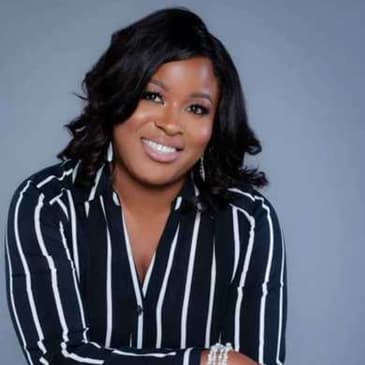
Victoria Allen, a passionate children's book author, joins us to share her remarkable journey from corporate life to the enchanting world of storytelling. Discover how her beloved character, Buddy the Bear, came to life and the universal themes her books explore, such as overcoming childhood fears and embracing imagination. Victoria's story is a testament to the power of creativity and the positive impact of children's literature on young minds.
Thinking about self-publishing? Victoria offers a wealth of insights into its advantages, focusing on the creative freedom and swift access to the market it offers budding authors. We also discuss how engaging children's books can be paired with art activities, like painting and coloring, to make reading a joy for all ages. Plus, learn about the Global Impact Agency's innovative role in supporting virtual events and how it emerged from the challenges of the pandemic, illustrating the interconnected paths of entrepreneurial ventures.
As we explore the personal and professional balancing act in Victoria's life, hear about her favorite places for relaxation and inspiration, from the sandy beaches of Aruba to the lively arts scene in Charlotte. We also dive into the importance of finding the right illustrator and share practical tips for those embarking on their creative projects. Join us on this inspiring journey, where the art of storytelling meets the entrepreneurial spirit.
You can connect with Victoria Allen via her social media platform:
Website: https://www.buddythebearbooks.com/
[00:00:00] Ellington Brown: Welcome to SpeakUP! International with Rita Burke and Elton Brown!
[00:00:12] Rita Burke: We crisscross the world to find individuals who are community builders to hear their story and SpeakUP! International because we know their stories would inspire, inform, and educate. And today is no different. We'll be speaking to a woman who is currently in North Carolina.
Her name is Victoria Allen. She is a passionate children's book author. She is also an entrepreneur and self publishing coach who empowers women to transform their dreams into reality. Victoria also leads the Global Impact Agency, which she will tell us more about as we have our conversation. And as we sit and SpeakUP! International, we prefer if our guests tell their stories.
And so I'm going to leave that up to Victoria. I want to welcome you, Victoria Allen, to SpeakUP! International!
[00:01:13] Victoria Allen: Awesome. Thank you so much for having me today. I'm so excited to just talk about these children's books and just all things imagination. So I'm ready to have some fun.
[00:01:24] Ellington Brown: I think I can speak for Rita and say, yeah, we too are waiting to hear your story with baited breath!
So, can you share your story behind publishing your first children's book and what inspired you to start doing this?
[00:01:43] Victoria Allen: Yeah. Ever since I was younger, my, my father told me that I should be a teacher just because he saw that I was really good with kids. And so as a child, I'm just like yeah.
Was like I'm not going to be a teacher from what I thought I was, what we think what a teacher is. But I was just going through a time working in corporate America and I just always felt this creativity. within me as well. That's just, within my family line.
And I was just thinking, okay, it'd be great to, to start a business or to help children. So I noticed my niece at the time was really, she really loved these glow in the dark shoes that they were, that they had these days. And I know that was big back in the day. And I feel like they keep coming back every few years that they become popular.
And so that made me remember that as a child, I was afraid of the dark. And I like glow in the dark stars, nightlights, and so I thought about writing a story and I decided to write a story because I know that was easy for children to learn when things are in a character, in a story format. So that's when I wrote Buddy the Bear.
It was originally supposed to be just one children's book. I got up the courage to share the book with my family, friends, co workers, and they came back and said what's happening next with Buddy? We, our kids want to know more. And that's when I. Decided, okay here we go. And I started to self publish two more children's books and continue to write
[00:03:07] Rita Burke: Tell us more about Buddy the Bear.
[00:03:10] Victoria Allen: Yeah, so Buddy the Bear in each story. The first story is a classic bedtime story. Buddy always uses his imagination to solve a problem. I don't want to give it away, but he loses something very special to him that children can relate to and he has to use his imagination to go on a magical journey to find it.
You'll notice through these stories, So, really tackling topics that children can relate to. So the second children's book is the first day of school. So we all know that I feel if you're in elementary school, all the way up to college, that first day of school, you have some type of jitters, right? What are you going to wear?
Are you going to meet new friends? And so I decided to tackle that. And then I also did a Halloween children's book because I feel like. All children go through that Halloween phase, some older than others as adults still love Halloween. In the states still, me too. So those are the three children's books that I have written so far.
So it always goes through that, something goes missing, lost, just imagination or fun. And that's important to me with all my children's books to be fun because I was a tutor for a couple years and so what I noticed that for kids to really remember the story, they really had to enjoy it some type of element of fun or something that they can relate to.
So I like to always tie that in my children's books to get them excited about reading.
[00:04:36] Ellington Brown: I love Halloween too. I have to tell you. I love it. I love going to get the candy. I don't know if I'm eating more of the candy than I give to the kids. Who cares? I'm having fun. I used to live in, San Francisco and that was like a national holiday there.
Everybody, the parents, the kids, they're all out in the streets at night, dressed in costumes. Yeah. I love Halloween! You talked about getting into entrepreneurship. How did you know that writing books was your avenue to entrepreneurship?
[00:05:15] Victoria Allen: That's a really great question!
And I would say that it was something when I was thinking of, okay what am I going to do? So I like to tell people all the time that if you're looking to get into entrepreneurship, sometimes we can brainstorm so much that we end up talking ourselves out of it. So I went through many years of where I did try storming, right?
Where I went out and I tried different things to see what I really enjoyed. And really children's books was something that I just, you know, that was just my first book. I just want to try, I want to see if I could do it, try on my ambition. And I really enjoyed it so much. And so it was something that I, a business that I ended up sticking with.
So I always tell people, you may see now that someone's, a published author and they're enjoying having a fun, but that may not have been their first idea. There may have been some failures along the way and you just get over it. But I knew within me that I wanted to create, that was always within me.
I just need to find the correct avenue.
[00:06:19] Rita Burke: You've said some very interesting things, and one of the things that kind of resonates with me is that you talked about going back to school and how the kids often have jitters. Sometimes I wonder if the adults as well, their parents and the teachers don't have jitters as well, but of course we are supposed to suppress that and hide it.
We have the jitters not just for the kids. For us, but for the kids, we wonder, how are they going to manage? Is everything going to be okay? So yes, I hear you loud and clear in terms of the jitters. But you coach women. You empower women. Do you have a process that you follow to do that?
[00:07:02] Victoria Allen: Yes, and it's something that, I learned along the way with myself.
I tell people all the time, like I'm really an introvert, right? And people are like what are you talking about? You're laughing and you just see like a social butterfly, I'd say I'm like a secret introvert. And going throughout just growing up, I wasn't automatically just speaking up and raising my hand and answering questions and tackling, issues, but it was something that I grew into over time.
And I knew that I had to fix my mindset first. So that's something I always start with, whether it's, let's talk about your vision. What's, what's going on with this? What's inside of you? Let's tackle some issues or limiting beliefs that you may be telling yourself, right? The talking yourself out of it that, oh, I can't be a chosen book author because dot dot. Everyone has their excuses on why they can't. But just talk to them, understand what's going on help them helping them get over those challenge mentally that they may be going through. And once that's solid and they understand their passion, their vision and why they're wanting to do what they want to do, then we get into building the skills that you need to.
Get that, get the book published and get it done. So I just help them manage that and realize that I always tell people, I like to remind people, do you remember your first day on a job? It's always confusing, right? You're like, did I make the right decision? Why am I, all of that.
And but every day you keep going, it gets easier. So I try to break that down to empower them to know that you break anything down into little steps, you'll, you can accomplish your goal.
[00:08:44] Ellington Brown: I wouldn't mind talking a little bit more about Halloween, but I'm gonna, I'm gonna, I'm gonna park that!
[00:08:50] Rita Burke: Next time. We're gonna get you to dress up!
[00:08:54] Ellington Brown: Thank you very much. And in fact, I already have my, my tiger costume ready. I'm going to talk about you, the creator, that's the person I'm going to talk to now and you created these interactive. Children's books and we're painting kits? Talk to us about that, please?
[00:09:15] Victoria Allen: Yeah. So, some people like saying I'm just extra, right? That's what people say sometimes, but I knew that kids need to be hands on, right? Cause I wanted to figure out how do we tie in literacy to fun, and get them excited about it. So that's an idea came around about whether it's painting or coloring, but, Have the children's book, take a page out of a children's book, or sometimes we do like exclusive pages where kids can actually paint.
We have canvases with the characters on them. After the kids read a story, especially author visits, I do the story time and paint. After every story time, we go and do a painting activity that's still related to the children's book. I still love tying that tying those two things together.
[00:10:07] Rita Burke: I like that because you can never beat activity for helping people, not only children, to learn.
That's fascinating. But you know what, Victoria? I think that sometimes us adults try to tell children what to learn and how to learn and how to enjoy. Because sometimes we say that the book is a children's book. What are your thoughts about children's books for adults?
[00:10:42] Victoria Allen: I say go for it! And I say that because you may think of like coloring books, right?
And you think coloring books are for children. I know that if you get a coming book now that they have for adults, you can really enjoy it. It's relaxing, it's peaceful, it just creates all of these just emotions that are just positive. It's healthy to have. So I say that definitely that, adults reading children's book, a book is a book.
And if you enjoy it, put it on your shelf and just share it with others.
[00:11:15] Ellington Brown: Victoria, that was the right answer that you just gave because Rita is one of these individuals that is truly into children's books. So if you had said, Oh, you're not interested in that. This conversation would be over! I can guarantee you that
So I want to talk about your self publishing journey. As a self publishing coach, what advice would you give to other authors who may be a little antsy, maybe hesitant about self publishing?
[00:11:56] Victoria Allen: And so with that, I would just remind them about just some of the benefits on why you should look at self publishing.
Look at self publishing especially if you're a person that you enjoy having creative control. So when it comes to the traditional publishing, number one, you're waiting on someone to decide that your work is worthy, right? But I feel like just remember that we all have a story to tell. I feel like we all have an audience and so you can take that into your own hands.
And make that happen and share that with your audience and don't wait for the traditional self publishing route. And just want to say I know some people that do both. They do traditional for one book and then for the others they may do self publishing. And that's just because they can get to the market faster.
They can make any changes that they want to. And you can just let your creativity be free. Don't be afraid and I like to share this that When I wrote my first children's book, I wrote it and then I was scared to share it with other people. And I had to be like why did you write this children's book?
What's going on? What are we doing here? So if you're struggling with that currently, just know that is absolutely normal. But once I wrote the children's book and saw the difference that it's making in the classroom, all of that just goes away. So just know that's totally natural, but the key push and remember your why in the vision.
And there'll be so many rewarding surprises that will begin to happen.
[00:13:32] Rita Burke: Elton was so correct when he said that I'm passionate as well about children's books. And I think, when I peel off the layers, I realize that Maybe as a child, I didn't have access to a lot of kids books. I heard stories, because in those days, parents and the older people in our lives, they told stories, they didn't push books as much.
But, I also believe that the themes in those children's books sometimes push them When you're a child, it's hard for you to see the themes and the importance of what's being said. But as an adult, I can speak for me, I can connect with those themes in a very special way. Very special way. And so sometimes I think, people say, what age group do you write for?
And I think, does it really matter? Because when a child is in uterus, we read to them, what age group are they? We tell them stories, what age group are they? So you write a book as a kid's book, but I don't think age group should be a barometer. You read whatever you want, to whomever you want. Those kinds of things.
But that's my philosophy in children's books. Now, what exactly is the Global Impact Agency?
[00:14:54] Victoria Allen: Yeah If you've ever went to a webinar and you enjoyed the music that they were playing, or you enjoyed the slides that they were sharing, or the way they engaged you in the chat if you think about it, Who's behind the scenes?
Who planned this event? Who's helping with the technology? That's what the Global Impact Agency does. And how that came about is tied to my children's book. So during the pandemic, when everyone, most people, if you weren't essential, everyone was sent home, home. And from that, I decided to do virtual story times.
I said, this is the way I'm going to give back. And during that virtual story time, I saw how hard it was for me to be the talent and read the story, send the zoom link to the mom and dad that may have forgot, be secure to make sure nobody's being weird in the zoom room. And so I thought, okay, let me see if others need support with this.
Started helping with my church and really just open that business. And so now. We have that as well. So I like to remind people that just when I took the opportunity to step through that door of writing that first children's book that I did always like to tie together that's what led me to being able to see this opportunity for this.
Another business that could be out there. So I always say that opportunity is like one of one of those things you walk through one door and then there's a few more doors right in a row. And then you just keep walking through. But it's just that first big step that you have to take to just challenge yourself and accomplish your goal.
And you want more. You probably get goal hungry after that.
[00:16:38] Ellington Brown: I have to agree with you because it's the Pointer Sisters when they said, that song, Jump, if you don't just close your eyes and jump, you'll be sitting on the sidelines forever trying to think this thing all the way through.
And by the time you figure it out, the other opportunity is gone. So it's very important that you just jump and yes, and allow other doors to open because here at SpeakUP! International there are several doors that has opened just because of the fact that we've jumped and not really think too much ahead in terms of the what ifs and maybes, you'll have time to think about that later.
I want to go back to the Global Impact Agency. Can you tell me, like, how do you create these virtual events? What are the key factors in making these events successful?
[00:17:39] Victoria Allen: So we talked about your vision, how do you want the audience to feel leaving this event? What are the goals? Are you trying to sell anything?
So we really talked about goals and understand the vision of the event. And then from there we go through planning meetings. look at different areas. So we'll look at the technology. Is Zoom best for this? Is Streamyard, a better platform, Ring Central. So we'll look at what's the best platform to use for the event that you have, let's just say your Children's book author.
So I've helped with planning just launch parties as well. So Zoom is usually a good platform. It's easy to use user friendly. Come on in. It's an intimate setting to that you can come on the screens and see everyone. So we'll talk about what best platforms best for you. And then after that, we'll look at, how we engage in the audience.
What are we going to write into the chat? Do we need any polls? Do we need any surveys? So that after the event is complete, you have your feedback of what worked and what to do in the future. So those are just a few areas that we connect and meet and discuss on our frequent basis. Frequent basis in our planning.
And then we also had that technical side where we're working a technical background for you as well. So you can focus on smiling and engage in the audience. And then we'll be there to support you on the technical side for the day of support.
[00:19:05] Rita Burke: You seem very passionate about what you do, and you talk about we, does that mean that you have a staff?
[00:19:13] Victoria Allen: Yeah, so that's something that I tell people when you're going into these different, let's say you want to create another business, Look at actually starting a business and not just creating another job for yourself, right? That's something that I fell into that I just do it all by myself. But I gotta tell you, I like to go on vacations.
I like to disappear sometime, right? And get my rest and relaxation. And when you create another job for yourself, you may not be able to do that. So I tell everyone, no matter what it is document what you're doing so that when you're looking to bring on another team member, so I have other event producers and planners that I can lean on to support my clients.
So that I'm able to step away. So I highly recommend that create a business, not another job for yourself.
[00:20:07] Ellington Brown: So what were the challenges that you faced when you were transitioning from an author to an entrepreneur? And how did you overcome those challenges?
[00:20:20] Victoria Allen: So I would say the biggest challenge is as a children's book author, we can be like in the clouds a lot, right?
Everything's, good time and, networking, getting to know people. Yeah! There's, dance and all that stuff but! You had to make sure that you still have a good understanding of the business side and definitely the financial side of things, right? So it depends on the person. You may be using your children's books for profit or it could be a non profit situation.
You know the saying, more money, more problems. But I think that's because people get so excited about that. Fun and exciting piece, but they don't do the time and the diligence that they need to then make sure those back end pieces are taken care of as well. So definitely, I wasn't born a numbers person, but You, I made sure to surround myself with people, whether it's you join a organization or you're just brushing up on skills on YouTube, but you need to make sure that you continue that to educate yourself, especially in your kind of weak areas.
[00:21:30] Rita Burke: We are speaking with Victoria Allen, who's a children's author and entrepreneur, and as you know on SpeakUP! International, we seek to inspire, inform, and educate. And I want to give you an opportunity to brag now, Victoria. I want you to tell us about a success story that you really want to tell everybody in this world about, one of your success stories.
[00:21:54] Victoria Allen: Thank you for that! That's nice for someone to ask you to brag about yourself, something that you you're like, oh, but I would definitely, I would use this time to just talk about a another client that I've had that I we help self publish her Children's book.
So every hurdle that I've talked about, she got over. And with that, you go into it and you and I spoke briefly about just the kind of unexpected surprises that come along the way that are rewards along the way. And just seeing her go through self publish her children's book, getting it done, and then the videos that come in, she sends videos of her reading the children's book to the children.
She did her book launch and she said, over 200 books sold today. I'm so grateful for what you've done. It's those kinds of surprises that come along that I feel like that is a real success when I may be thinking like. I'm here to help you finish your children's book, but you really see the impact on how what you did with one person was able to make such an impact out in the community.
[00:23:07] Ellington Brown: Speaking of books, what future projects, what are you currently working on? How, whatever it is that you're creating, how is that going to empower women and children?
[00:23:24] Victoria Allen: Yeah. So currently what I'm working on is that when it comes to Buddy the Bear, so we do have another children's book that we are currently, we've actually finished writing.
And And we just wrapped on illustrating. So we're on the formatting. So that should be out in early 2025. I'm going to go ahead and say that. And then when it comes to just empowering women, I'm just looking to find different ways and different services that I can add to a pin to self publish, which is my website where people can learn more about how they can work with me directly for self publishing.
Maybe I understand that there are just folks that are out there that are just like. I know I can do it. I just haven't found the right people to help me. So just providing them those different options that wherever they are on that journey, whether it's, I just need to know the right person to connect with, or I need someone there that can be with me every step of the way that we have that service available to them.
So I'm just really looking forward to being able to connect with what they need and in different areas. of their journey.
[00:24:34] Rita Burke: You know the word entrepreneur. It has a beautiful ring to it. But when I was a child, I don't know for sure that we use it a lot or the adults in my life used it a lot. You were considered a business person.
As a matter of fact I like to, my mom was an entrepreneur, but I think I prefer the term hustler because she knew how to turn a ten dollars into a hundred dollars in about a month. But do you think one has to go to school and take a business degree in order to become a successful entrepreneur?
[00:25:14] Victoria Allen: I would say no, and I say that because there's so many people out there that are successful entrepreneurs who didn't, but I will say this.
I will say that. I went to college, got a degree in business administration, a concentration in finance, and I would say what that taught me and going through those years was just really taught me how to apply myself. How to get over challenges, how to deliver. So I say, that's what really college really put into me that I'm able to put into business.
So it goes back to me saying, let's just say if someone who decides not to go the business school route in that direction is that you still need to get educated in some form. There's so many different certifications that are out there or courses that you could take that you can still get that understanding and apply it to the business that you're looking to create, but definitely don't want people to feel like they have to go to business school to be successful as an entrepreneur, but you definitely have to do some form of education.
So it's not just to get the education. To create the business, but as you can see, the landscape is continuously changing. So you want to continue that education to learn. What's changing in the industry and you're able to pivot because that's what you will have to do in business.
[00:26:45] Ellington Brown: I agree with you.
The learning part of entrepreneurship never ends because, as you said, the landscape changed. So you may know a piece of software backwards and forwards and you wake up the next morning. That software is dead. So you should have pivoted to a another set of software in order to continue your business.
So I do agree with you, Victoria, 100 percent on that. We were talking earlier about your books and how the kids love them. Can you tell me or tell us, I should say about the most rewarding experience? that you've had with children reading your books.
[00:27:32] Victoria Allen: Yeah, so I remember in my early days of going to read, I just felt my why was well, I just wanted to, help children just tackle issues maybe with being afraid of the dark, going to school, etc.
So I remember I was reading the story, In front of a classroom. And the teachers were chattering in the background, right? So as I'm reading, I'm thinking, wow, that's a little rude, I didn't say anything, right? But then the bell rang and there was like some announcement.
So they had their, front office announcements during that time. So I just paused the story because I was in the middle of it. And then when I went back to it, so the announcements were done and I wanted to use that as a point to check in with them to see what they remembered from the story and have it, be a learning experience.
So the kids answered, all that good stuff. So once they said everything that had happened to that point, then I continued the story. So afterwards, the teachers came up to me and they were just talking about how, These children, they point out a couple of children usually had a hard time paying attention, but they were so engaged when I was reading.
Then when I look at the children that they pointed out, the children look like me, right? So for me, that was like, okay, wow, this is I've heard like representation matters and everything like that. Like you hear it. But that was a moment where I really saw it and I felt it and realized that, okay there's a deeper why here on why you need to go out and share your story and go read these children's books.
Cause there's. Children who you are helping and in other ways that you may never know, right? But that was something that the teachers could explain to me about how representation mattered in that moment.
[00:29:32] Rita Burke: Am I hearing then that because those children looks like you and you look like those children that they felt they could engage and connect with you? Hence the paid attention?
[00:29:47] Victoria Allen: Yes, for sure! And then, and that makes me think of another instance where I was doing a story time and we were doing coloring. So usually with the younger kids, we just stick with something simple, like coloring with colored pencils or something like that.
And it was a little girl once again, she looked like me. And so I always like to do a time of encouragement as I call it. So as they are, coloring or painting. Like teachers to write their names on their papers, so I can say, Oh, Elton, you're doing a wonderful job. Rita a lot. This is really nice.
And really engage with them as I go around. And so there was a little girl and was engaging with her and she wasn't saying anything, right? And so the teacher just came over. She said she never talks. She's not gonna say anything, but I still continued on I said that's such a beautiful picture, just gay engage a little more And I was like, what's your name?
And then the smallest voice she said her name and the teachers immediately just like We're what just happened here? Like she never talks, but it's just that moment. I would say within that, I would say it was a representation, but then it was also a, I'm a fresh face, I'm a fresh voice.
So I'm not going to immediately just give up on this child. Whereas they're dealing with from day to day. So that was something that was really That just sent like something through me that I was like, okay, you need to get out here because you never know that this moment of breaking out of her shell for whatever reason that may have been going on may have positive effects for the rest of her future.
So that's what I love to do and go out and and just make that difference in the community.
[00:31:29] Ellington Brown: What a lovely story that makes my heart just warm up to hear the way that you were able to connect. And to me, that also says that, there's no right or wrong way to connect. You connect with people differently.
I think even with our friends. We behave and communicate differently based on the individual that we are talking with. I have a question I want to ask. It has nothing to do with any of this that we've been talking about. And, I'll tell you right now, I love to eat. I'm going to ask you, do you cook?
[00:32:08] Victoria Allen: Yes, I do.
[00:32:09] Ellington Brown: Oh, yeah, now. That's what I'm talking about. Yeah! Tell me, ma'am, what's your specialty?
[00:32:17] Victoria Allen: What's my specialty? That's a good question. I'm going to tell you, I am on a health journey along the way. So I try to stay away from the fried foods.
I hope that doesn't make anybody upset here. But just the things that I cook and I still enjoy a good classic, just steak potatoes, right? That's just classic for me. But being that I'm on a health journey, just what I'm eating now. I'm a big, fish fan. I love just eating just salmon a lot.
And you can't leave chicken out, right? Ha! Along the way, but yeah, if I'm looking for something really bad, then I do enjoy ribs. I enjoy pork chops. I enjoy all of that. But like I said, I'm on my health journey. So I got to remind myself. So I don't go out here after this conversation and binge.
[00:33:07] Ellington Brown: The only thing that was missing out of all of that, all of what you said was okay, I'm going to say this two ways. But if my mom went to somebody's house and they had a potato salad and it wasn't good, my mom would say, Oh yeah, so I went to Miss Audrey's house and she had whatever and potato salad. If she said it like that's potato salad was not good.
But if she came back home and she said, Oh yeah, I was over at Miss Audrey's house and she had some tater salad. It was real good. And that's the only thing that was missing, was that tater salad. If you had said that, I'd have been at, you would have heard a knock at your door as soon as this conversation is over.
And I'd be right there saying, Okay, so where's the tater salad? I'm ready. Bring my knife and fork. I'm good to go. Oh, I'm sorry, I talk too much. Rita, your turn.
[00:34:03] Rita Burke: I think I like your mama's potato salad story. But do you know, Victoria, you told this story a couple of questions back about the child who didn't say much, but you were able to get her to release her voice, to lift her voice and sing to some degree.
And you were talking about Your dad encouraging you to become a teacher, but in some sense you are a teacher, aren't you?
[00:34:35] Victoria Allen: Yeah. Yeah. It was true. It came true, and I like to say that teaching can come in different forms, right? When he said teacher, I just automatically thought of elementary school standing in front of the classroom, doing that.
But we coming, becoming a children's book author. You are a form of a teacher. Yes. So he was correct.
[00:34:59] Rita Burke: He was correct. So it came true. It came to pass.
[00:35:02] Victoria Allen: Yes, it did.
[00:35:03] Rita Burke: But you also talked about representation, and I want you to expand on that thought a little bit more about the importance of that in books for children.
[00:35:12] Victoria Allen: Yeah, so something that I like to I wonder about, or I think about, because when I go out and do the storytimes, I can really see the children that their imagination is still intact, right? Versus the others that are like, that can't happen. And I'm just thinking who got to you and took this, magic and joy out of you?
Like what happened? So I feel like I'm going out and combating that and. Putting some imagination back in. And that's just so important because I feel like that has really brought me into the space of entrepreneurial, journey because it's really just our imagination, this idea that you have, and it's just using your creativity to actually bring that into reality.
So I like to talk about that. When I say making your dream a reality, and I feel like that's all business is. It's a dream that you have one day, but you have that willpower and that passion inside of you and the skill to bring that to life.
[00:36:14] Ellington Brown: I have another question. It has nothing to do with about books or anything. I know you said you love to travel. Said, you love doing that. So when you're not at the tip of South America, what do you do to relax?
[00:36:35] Victoria Allen: What do I do? I had to say that the place that I have enjoyed to travel to and I had to say I have the pandemic, I was like, I just wanna stay home.
But I'm getting back out there. But I really do enjoy Aruba. I am a beach person where you just, put me out there, blue water is it's just something that I really do enjoy. Outside of that, just to, let's just say I'm back here in Charlotte, North Carolina. I enjoy going to the theater.
I think it's still tied to imagination. I love to go out and see the productions that other people are putting on and just stepping into their world. So whether it's the theater, whether it's the movies, we have a renaissance festival coming, comedy shows. If you can't tell, I love to laugh I enjoy doing that as well in my spare time.
[00:37:26] Rita Burke: Sounds like you have a well rounded, balanced life and most people would do anything to have that. But I have two questions that I like to call my signature questions that I ask every guest that we have on SpeakUP! International. And here's the first one. What's the best piece of advice have you ever been given?
[00:37:52] Victoria Allen: So the best piece of advice would say, I would say on the financial pieces is actually a book. It's just called Simply Profit First is the book. And so with that, I bring that up because I feel like I'm always going through phases, but you really, whether, like I said, whether it's a profit or a nonprofit, you have to sustain, right?
You have to sustain your living. So I would definitely say that if you haven't yet grabbed that book but. It will put you in a position that even though you're doing it, your creativity and you're bringing your passion, you won't be concerned with the financial pieces that come along with it.
And unfortunately, sometimes we put that on the back end and it becomes a burden and it's not as fun as anymore. You feel tied down. So I always tell people that you definitely want to, this do your due diligence on really planning the business and don't let the financial piece fall to the side.
I want to, I'm one of those people that at first I wanted to let other people do it, there's stories about that, how that didn't work out well for them, but you definitely want to have some type of understanding. You may not be an expert, but you definitely want to. Be clear on your business.
If that makes sense. Sometimes we want to put other things on other people, but you should be the expert of your business always.
[00:39:20] Ellington Brown: So can you tell us again, what was the name of that book? And do you remember the name of the author?
[00:39:26] Victoria Allen: I don't, but it's called Profit First. It's very popular. Let's see. First, it says transform your business from a cash eating monster to a money making machine.
So I highly recommend checking that out.
[00:39:44] Ellington Brown: I'm sure by the time we're done with this conversation, Rita will have already read the book. Rita, by the way, she is a fiend. She can consume books faster than I could eat a leg of fried chicken. I know you don't eat fried chicken, but I had to put that in there.
Or I would have choked and died if I didn't say such a thing. So what do you see yourself doing a year from now? What, where do you want to be besides at the. South America. What, what do you want to do?
[00:40:16] Victoria Allen: Yeah. So I would say and Rita mentioned that you got to a place where you're well rounded, but I would say that I'm just in a place right now where I'm just always to find more of my peace, right?
Just wake up every day. Where is my peace? What's making me happy and just have more of that. Cause I've, yeah. Definitely done it where in the beginning of entrepreneurship, it was all work, right up early, up late, you're burnt out, you're lacking spending time with family and things fall through the cracks.
But I would say definitely now that I'm just in a place of peace due to try storming, I was able to see and understand that. I really enjoy helping others create their children's look at children's books. I really help. enjoy helping others with their events that they're having. So that's something that I'm able to have my profit meet with my passion and just continuing to find different avenues out there that I'm able to, have a profit, but then also find my peace and make that impact in the community.
[00:41:19] Rita Burke: Yeah. What a good philosophy to have. Your profit engaged or walking hand in hand with your passion, and that could answer a lot of issues for people. Talk to us about finding illustrators for those children's books. How easy, how challenging, how rewarding, how fun, how joyful can that be?
[00:41:45] Victoria Allen: Yeah. I like to tell people all the time, my first Teddy Bear Buddy, the bear version was very scary, but it was a very creepy picture that an illustrator created for me, but it's just because I had to try a few illustrators.
So my illustrator is probably like the third illustrator that I connected with. And I, Always start with just the character design to see their style. Just make sure that the communication was right. And so the site that I use is fiverr. com and to go out there, find a children's book illustrator, and that's really been the biggest role in finding a editor or a formatter or illustrator to help you with your children's books. So that's fiber. com is people around the world that share their talent and gifts and highly recommend checking it out. And with the illustrations, I've seen that people just hand over the full manuscript and then they get back all these illustrations that they don't love that's not the time to say you don't like it.
So I always recommend that you start with a character design. You take it a page, maybe two or so at a time to you feel that you have a great relationship and then your illustrator can work on maybe three or five pages at a time. But I've just seen too many instances where people hand over the full manuscript and they don't like what they get in return.
[00:43:07] Ellington Brown: Do you work with more than one illustrator? So let's say you go through that process. You now have this illustrator that you really do you guys communicate well. He knows, or she knows, exactly what you want. All you have to do is just say it. And now the book is over. And now I'm going to do a new book.
Do you use the same illustrator, or do you go looking for another illustrator? Do you do that process? Again, per book.
[00:43:41] Victoria Allen: Yeah. So usually I will use the same illustrator. If it's the same character I will use the same illustrator. Now this has been something that has came up before where illustrator disappeared.
But there are illustrators that they do have the skills that they can, replicate and make it the same. I say this. I like to remind people like Disney characters. You think there's one person doing all these Disney characters, right? You have different people that are creating the same character.
So don't be discouraged. If that were to happen to you. But definitely, I like to continue working with the same illustrator
[00:44:17] Rita Burke: Guess what, Miss Victoria. I have a very good friend and, his name begins with an E and he is in the process of having a children's book published, but he doesn't like for me to tell people that story.
Don't share what I'm telling you with anyone! Okay?
[00:44:39] Ellington Brown: Wait. And she has the nerve to put an okay on the end of that sentence. Don't tell anybody. Okay? After she didn't said everything but my, but the B in my last name. See, this is, what happens when you work with someone just a little too long.
Oh, I'm sorry. Again, I talk too much. Rita, go ahead, please.
[00:45:05] Rita Burke: So tell us, Victoria, who would you say or what is responsible for the person you are today?
[00:45:14] Victoria Allen: Yes, I would definitely say that's really, my, my parents, my mom and my dad. We all like to have fun! Creativity just runs in line.
And I like to tell the story that, my father really was into like yard sales. Okay. So he would have us early in the morning. And I'm just annoyed. But he have us early in the morning. But what I realized was that was entrepreneurship. Is what that was as I went back and looked at it, get up early, setting things up, doing the prices, collecting the money.
That was a form of entrepreneurship.
[00:45:52] Ellington Brown: That brings up so many stories living in San Francisco, every weekend, rain, shine. I don't care what month it was. There were like five, six, seven of these little, stands you could go to. I never did like it except for the fact that I did get this pencil sharpener and I bought this in San Francisco from one of those little stands.
It was two dollars. Believe it or not, it still works. It really works. And the thing in San Francisco is that every, they think of it as just one big old recycle. So you buy all this stuff once and then you get sick of it. So you sell it and then somebody else buy it. So it's just like, all of this stuff is just Circulating having this thing.
So what do you want to tell people that maybe we didn't talk about? I'm stealing one to Rita's this questions, by the way, what do you want to tell people? That maybe we didn't ask you the question so that you could actually say it.
[00:47:05] Victoria Allen: Yeah. So really, I think we did a good job of just chatting about just all things today.
And so I just would wrap up by saying, just remember that just mentally, you just need to prepare yourself for the journey. Okay. So I remember, even though I may have been working at a corporate job where it, May not be a lot of creativity going on. I still was able to listen to something in my ear, right?
Whether it's a book or YouTube, cause even though you're doing something, if you keep your mind set on your vision, it will come to life. So I always tell people to work on your mindset. Second is just that continue learning, YouTube or getting coaching, you always want to continue to learn along the way.
And then just lastly, find your community. Whether it's an organization just find whether it's a mastermind group, but you want to find a group that is there to support you that can be there along the journey with the ups and downs and actually, help you bring you across the goal and accomplish your goals.
So I appreciate you having me today.
[00:48:14] Rita Burke: But listen here, we found our community because we have something that we call a huddle that meets on the second and fourth Thursday of every month and it's adults, for adults who enjoy children's books. We meet online, and we have a most delicious and exciting and fun time.
It's for adults, again, who enjoy children's books, and we call it a huddle. So we meet on the second and fourth Thursday of every month, and out of that little huddle, people are beginning to write their own books. And that wasn't the intent at the beginning, but it's truly wonderful. So thank you so much for joining us today.
We found their community.
[00:48:57] Victoria Allen: Yes. Yes. Thank you so much for having me.
[00:49:01] Ellington Brown: We got to talk about so many topics. I think that are important for our community to either think about or investigate and that was. Just talking about you personally, and then we went and talked about your self publishing journey and your entrepreneurship and you empowering women, all of these things that we talked about, including, what are you planning to do in the future?
So I think we really capsulize in a nice way. What's all about Victoria. And so I just want to say, thank you so much for having this conversation with us. And when you write your next book please, get in contact with us, how, so don't even, try to say you don't know how to do that and we want to know what your next book and let's have another conversation based on your next book, because I think it's very important.
That children's books, especially children's books that where the characters look like us are actually being put forth to our community, not everybody else's community, but our community, so that we're able to help our youth expand and reach their potential. Thank you so much.
[00:50:24] Victoria Allen: Thank you.
[00:50:28] Ellington Brown: Thank you for listening to SpeakUP! International! If you wish to contact Ms. Victoria Allen, please be prepared to submit your name, your email address, and the reason why you wish to contact Ms. Victoria Allen at pentoselfpublished.com.
Ms. Victoria Allen has other social media accounts you can use to connect to. her , that will be listed on the description section on Spotify and other social media platforms.
Are you interested in the opportunity to be interviewed? And have your cause promoted by SpeakUP! International. We invite you to connect to us by sending a message that includes your name, company, or organization name, the valuable service you offer to your community and your email address to info@speakuppodcast.ca.
Worried about your confidence as a interviewee? Don't fret! SpeakUP! International can provide you with the necessary training so you shine during an interview. To receive training information and a 10% discount. About the SpeakUP! International's Podcast Interviewee Trainee Program. Email us at info@speakuppodcast.ca.
You can also reach us using Facebook, Instagram, Twitter, and LinkedIn.
To connect to our podcasts use Spotify or your favorite podcast platform and search for SpeakUP! International. You can also find our podcasts using our web address. speakuppodcast.ca. Our logo has the woman with her finger pointing up mouth open, speaking UP!
By joining Patrion, we can offer you an exclusive opportunity to become an integral part of the continued success of our podcast. Your financial support will enable us to cover the cost associated with producing the high quality content. Such as equipment upgrades. Hosting fees. And professional editing services.
As a member of our Patriotic group, you will gain access to a range of exciting benefits! We are working on providing you with early access to new episodes and the opportunity to suggest topics or guests for future episodes. Your contribution will not only sustain the continuity of the podcast, but also allow us to enhance the overall listening experience for all of our dedicated followers.
Help us help you!
At SpeakUP! International, we aim to inspire, to inform and to educate!